
How to Pitch a Children’s Book Publisher: A Step-by-Step Guide from EK Books
Every week, publishers receive manuscripts that are lovely, heartfelt and, sadly, sent to the wrong place, addressed to the wrong person or pitched in the wrong way. Many of them never get past a quick glance. Often the writing isn’t the problem. The pitch is.
The good news is that pitching is a skill, and like any skill it can be learned. At EK Books we read submissions with a very practical question in mind: can we see this book on our list, and can we make the case for it to our sales team? Here’s how to make that answer an easy yes.
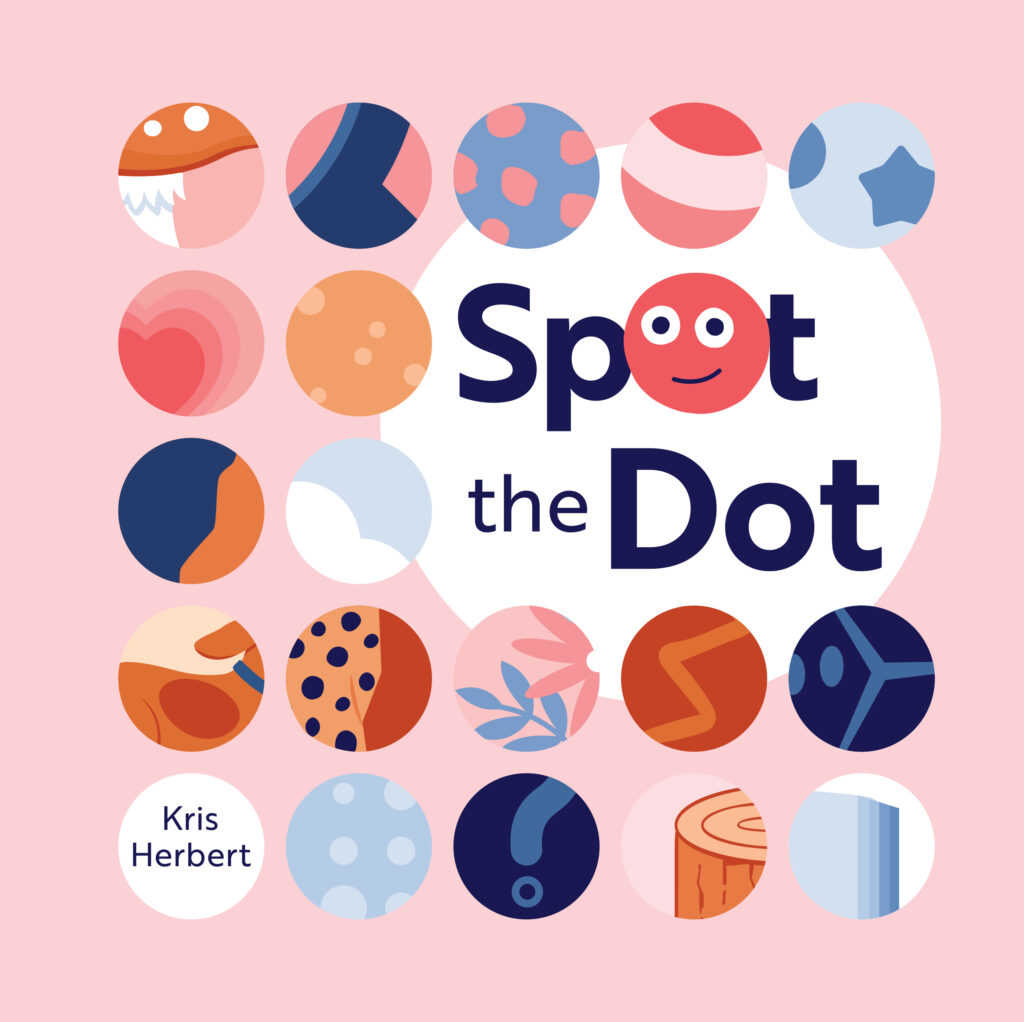
Like the little dot in Kris Herbert’s Spot the Dot, every good manuscript has a place where it belongs. Finding it takes some exploring.
Why “just sending it in” rarely works
Many authors approach submissions like a raffle: send the manuscript off, cross their fingers and wait. But publishers’ inboxes are crowded, and many houses don’t accept unsolicited manuscripts at all. Those that do usually open for limited windows and expect their guidelines to be followed to the letter. A submission that ignores those guidelines is often declined without being read.
It helps to think of a pitch less as a lottery ticket and more as a job application. It takes some detective work, a little salesmanship and a lot of respect for the busy person on the other end.
Step 1: Research comparable titles
Before you approach anyone, you need to know where your book sits in the market. Publishers call these comparable titles (or “comps”): recently published books that share your book’s readership, format and feel.
- Visit a good bookshop and your local library. Find the exact shelf your book would sit on. If you can’t decide between two shelves, that’s a sign your concept needs sharpening, not broadening.
- Look online. Retailer listings show format, page extent and dimensions, and their “customers also bought” lists reveal which books readers pair together. Sales rankings give a rough sense of which similar books are actually selling.
- Note the publishers. Which houses keep appearing in your corner of the shelf? Those are the ones with a track record of reaching your readers.
- Check the dates. A book in shops today was often acquired two or three years ago. Chasing yesterday’s trend is risky, so read each publisher’s website to see what they’re looking for now.
Aim for three to five comparable titles published in the last few years. Skip the classics and the mega-bestsellers. Telling an editor your book is “the next Gruffalo” says very little; naming a recent, similar title, ideally from their own list, shows you’ve done your homework.
Step 2: Choose your publisher, not just any publisher
Publishers like to build relationships with authors over several books. They’re looking for writers whose work fits their list today and could keep fitting it in future. So rather than sending your manuscript to everyone, choose the few houses where your book genuinely belongs.
Read their recent catalogues and look closely at their themes, tone, illustration styles and formats. At EK Books, for example, our picture books explore big feelings and real-life challenges with warmth and humour, usually in a 32-page format. A manuscript that clearly understands that is already ahead of the pile. If you’re still working out which publishers suit your work, our guide Who Will Publish My Children’s Book? is a good place to start.
Step 3: Find a named editor
“To whom it may concern” is the quickest way to signal that you haven’t done your research. Somewhere in that publishing house is a person who could champion your book. Your job is to find out who.
- Check the acknowledgements in comparable books, where authors often thank their editor by name.
- Look at author websites and interviews, which frequently mention the editor or publisher they worked with.
- Read industry newsletters such as Books+Publishing, Pass It On, Buzz Words and, in New Zealand, The Sapling to learn who is commissioning what.
- Go to writers’ festivals and industry events, where editors are often happy to have a brief, polite conversation, even if only to point you to the right colleague.
- If all else fails, ring the publisher and ask who looks after children’s submissions. A friendly phone call often gets further than an email.
Always follow the publisher’s own submission guidelines first. If they ask you to use a portal or a general address, do exactly that, but address your letter to the right person if you can.
Step 4: Write a short, specific query letter
If a publisher’s guidelines don’t spell out what to send, a short query letter (also called a letter of enquiry) is a good way to open the door. Short is the key word: three or four brief paragraphs is plenty. A strong query letter:
- Opens with “why you”. Mention a recent book on their list or something you’ve read about their direction, so it’s clear you know who you’re writing to.
- Pitches the book in a sentence or two. Title, word count, intended age group and the heart of the story.
- Positions it in the market. Name one or two comparable titles and explain how yours sits alongside them.
- Introduces you briefly. Relevant experience, your connection to the subject, any writing credentials and how you could help readers find the book.
- Asks clearly. May you send the full manuscript or proposal?
Remember that the editor reading your letter will need to win over colleagues in sales, marketing and production. Give them the words and the evidence to do it.
One thing to leave out entirely: money. Payment and royalties are a conversation for much later, if a publisher wants your book. Raising them up front reads as presumptuous.
Step 5: Know what a full proposal must include
If you’re invited to send more, or a publisher asks for a proposal from the start, make sure it covers:
- The concept in a nutshell. A one- or two-line pitch a sales rep could repeat to a bookseller in seconds.
- The manuscript itself. The complete text for a picture book, or a synopsis and sample chapters for longer fiction, cleanly formatted.
- Illustration notes, only where essential. You don’t need to find an illustrator before you submit a picture book; publishers usually make that pairing. Our post Do You Need an Illustrator Before You Submit Your Picture Book? explains why.
- Your market analysis. Who the book is for, where it sits on the shelf and your comparable titles.
- Your author profile. Writing experience, relevant expertise, school and community connections, and realistic ways you can help promote the book.
Step 6: Follow up professionally, and keep writing
After you submit, note the publisher’s stated response time and be patient. If that time passes, one courteous follow-up is fine. If the answer is no, thank them and move on; graciousness is remembered. And if an editor takes the time to give you feedback, treat it as gold.
Meanwhile, start your next manuscript. Publishers want to know you have more than one book in you. If the silence is getting to you, our post 7 Reasons Why the Publisher Isn’t Responding to Your Children’s Manuscript explains what may be going on behind the scenes.
Key takeaways
- Research three to five recent comparable titles and know exactly which shelf your book belongs on.
- Choose publishers whose current list suits your book, rather than sending it everywhere.
- Find a real person to address, and follow every submission guideline to the letter.
- Keep your query letter short: why them, what the book is, where it fits and who you are.
- Leave money out of it, and keep writing while you wait.
Get ready for when EK Books submissions reopen
A great pitch can’t rescue a manuscript that isn’t ready, but a ready manuscript can easily be sunk by a weak pitch. At Children’s Publishing Academy we teach both, drawing on what we do every day as working publishers at EK Books. Our Children’s Author Certification takes you through the whole journey, from shaping your story to preparing a submission that stands out. If you want to be ready for when EK Books submissions reopen, now is the perfect time to start.
Not sure where your manuscript stands? Take our free Is Your Children’s Book Ready for Publication? quiz and find out in a few minutes.