
Do You Need an Illustrator Before You Submit Your Picture Book? A Publisher Answers
It’s one of the questions we hear most often from picture book writers, usually with a hint of dread: do I need to find an illustrator before I send my manuscript to a publisher? Some writers have already spent hundreds or even thousands of dollars commissioning sample artwork. Others have put their submissions on hold because they can’t draw and don’t know where to begin.
Here’s the short answer from the publishing team behind EK Books: no. If you’re aiming for a traditional publishing contract, you should not find or pay an illustrator first. In most cases it makes your submission harder to accept, not easier.
Why publishers prefer to choose the illustrator
When a publisher takes on a picture book, they’re investing in the whole book, not just the words. Matching a text with the right illustrator is one of the biggest creative decisions in that process, and it’s one publishers are set up to make. We keep files of illustrators, we follow who is emerging, we know which styles are working in bookshops and libraries right now, and we know what will sit well alongside the rest of our list.
That expertise is part of what you get when you sign with a traditional publisher. It’s also why picture book contracts typically treat author and illustrator as equal creative partners: the pictures carry at least half of the storytelling.
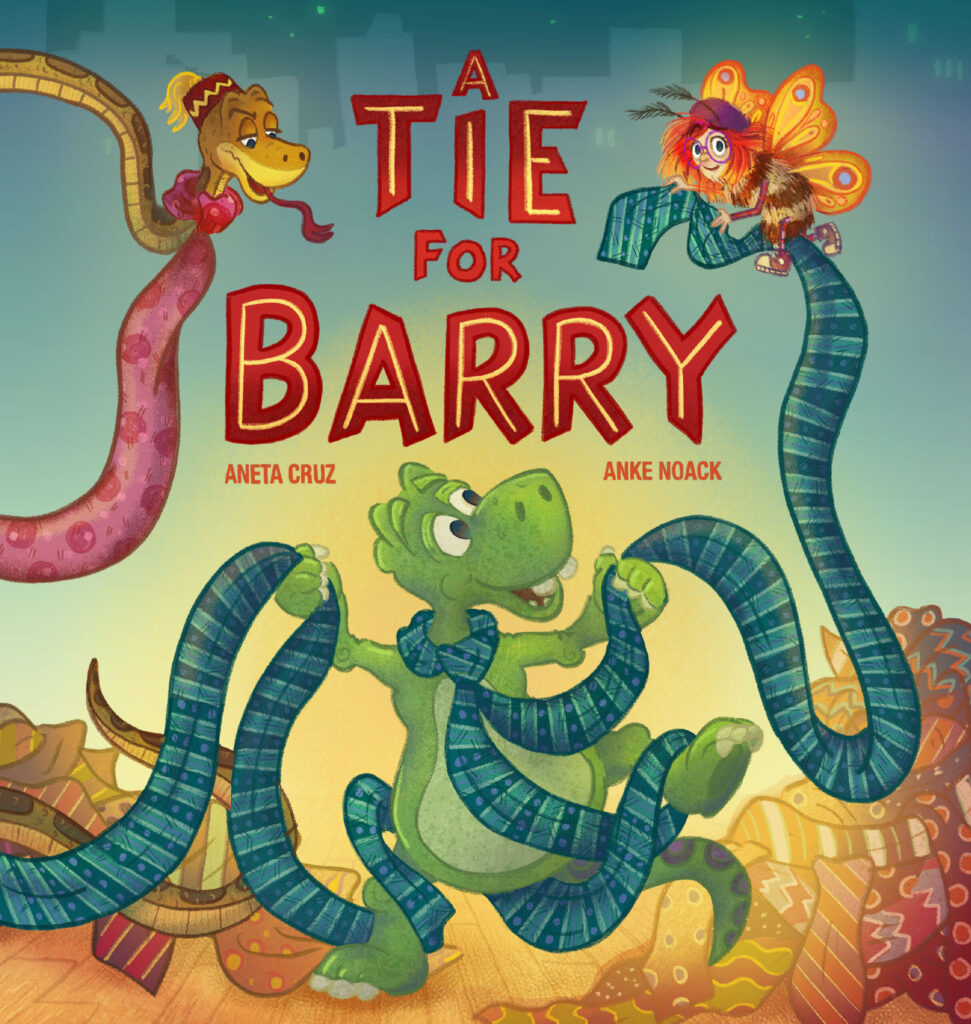
You can see this in any EK Books season. A Tie for Barry, out this November, brings together author Aneta Cruz and illustrator Anke Noack. Duck, Duck, Bruce! pairs Dannika Patterson’s text with Jasmine Berry’s artwork. In both cases the author wrote the manuscript, and the publisher found the illustrator.
The problem with submitting a “package”
Writers who submit a manuscript with artwork attached often assume they’re making life easier for the publisher. In practice, a combined package adds a new risk: the publisher may love the text but not the illustrations, or the other way round.
When that happens, the publisher will usually either decline the whole submission or offer for one half only. So before you submit together, you and your illustrator need an honest conversation: are you willing to be separated if a publisher only wants one of you? Whatever you decide, say so clearly in your cover letter.
What if you write and illustrate?
If you’re an author-illustrator, tell the publisher both. Include a small number of finished samples and a rough storyboard showing how the story falls across the pages. Then be prepared for an outcome you might not expect: a publisher may want your text with a different illustrator, or your artwork for someone else’s story. Decide ahead of time which of those you’d say yes to. Both have launched successful careers.
Can you suggest an illustration style?
Yes, briefly. A sentence in your cover letter describing the kind of artwork you imagine, or naming one or two illustrators you admire, is perfectly fine. Just don’t be surprised if your publisher sees your book quite differently. That fresh vision is often what makes a picture book sing.
Illustration notes: less is almost always more
The other half of this question is how much direction to give the illustrator in your manuscript. Most first-time writers include far too many illustration notes, and it’s one of the quickest signals to an editor that a writer hasn’t yet grasped how picture books work.
The best picture books happen when the pictures add something the words don’t say. If your text describes everything, the illustrator has nothing left to contribute, and the child reading has nothing left to discover.
A good rule of thumb: only include an illustration note when the illustrator would otherwise misunderstand the story.
An example
Imagine a story about a boy called Sam who builds a rocket to Mars. Your text says he drew up his plans, gathered his materials and tinkered until his rocket was ready. Read cold, an illustrator might draw a young engineer building a real spacecraft. If your story is actually about imaginative play at home, one short note fixes it:
[Sam’s rocket is pretend, made from cardboard boxes and odds and ends from around the house.]
Now the illustrator knows the setting, and is free to decide that the dog’s bowl becomes the control panel and two empty drink bottles become thrusters. Compare that with a manuscript that lists every item Sam collects. The second version closes the door on the illustrator’s imagination, and the pictures can only repeat what the words have already said.
The same goes for describing characters. Unless a physical trait is essential to the plot, you don’t need to tell the illustrator what Sam looks like. His age, personality and interests should already come through in your writing.
What about self-publishing?
If you’re self-publishing, finding an illustrator becomes your job, and it’s a very different process with its own checklist: budget, file formats, deadlines, a paid sample before you commit, and a written agreement. We’ll cover that in a future article.
The takeaway
- Don’t commission artwork before submitting to a traditional publisher.
- If you’re already working with an illustrator, agree in advance whether you’ll accept being split up.
- Keep illustration notes to the bare minimum the story needs to make sense.
- Leave room in your text for the pictures to tell half the story. (Our guide to the 32-page picture book format shows how to plan for this.)
Want to see how your manuscript measures up? Try our free Is Your Children’s Book Ready for Publication? quiz, or go deeper with our Children’s Author Certification, taught by the publishers behind EK Books.