
Why Rhyme May Not Be the Best Choice for Your Children’s Book
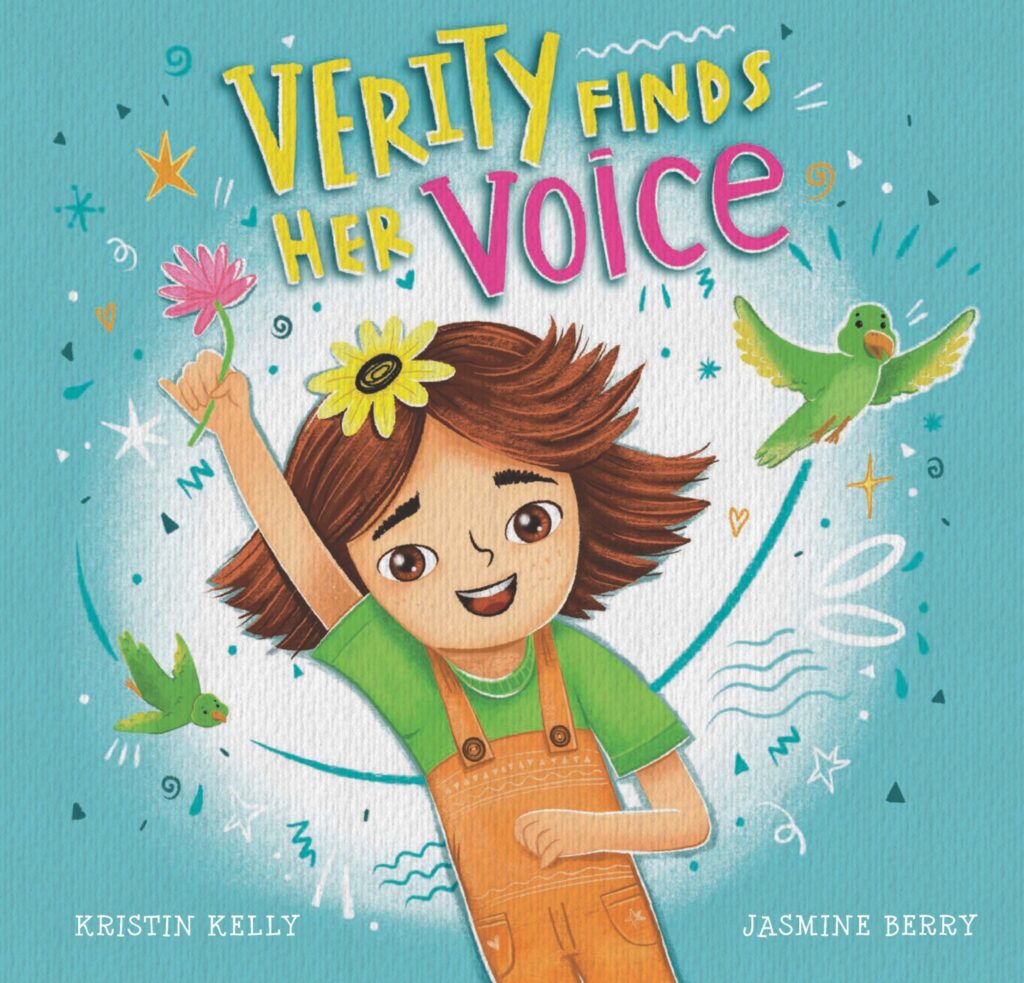
Cover image: Verity Finds her Voice by Kristen Kelly and Jasmine Berry
At first glance, writing a children’s picture book in rhyme can seem appealing. The sing-song rhythm is captivating, and rhyming books are often favourites at bedtime. But before you embark on writing in verse, it’s essential to understand the significant artistic and business challenges rhyme introduces—challenges that many aspiring authors overlook.
Rhyme Is Difficult to Do Well
Good rhyme is deceptively hard to master. It requires precision not just in rhyme, but in rhythm, meter, and cadence. Each line must flow naturally, while still advancing the story. Too often, authors bend grammar or shoehorn words into unnatural phrases simply to make a rhyme work. This undermines the quality of the writing and can make the text feel forced or confusing for the child.
Worse still, poor rhyme can distract from the emotional resonance of the story. Picture books are often vehicles for deep themes—loss, resilience, friendship, self-acceptance—and clunky rhymes can flatten the subtlety needed to explore such concepts sensitively.
Rhyme Can Sacrifice Plot and Meaning
In the hands of a skilled poet, rhyme and narrative work hand in hand. But for most aspiring writers, rhyme becomes a constraint that inhibits rather than enhances the storytelling. Too much effort goes into matching the final words of lines, and too little into developing characters, pacing, and plot structure.
As publishers, we frequently encounter manuscripts where rhyme has been prioritised over clarity or cohesion. Sentences are contorted to fit a rhyming scheme, and the story suffers. In such cases, we would often prefer to see the manuscript reimagined in prose—where the focus can return to storytelling and authentic emotional expression.
Translation Rights Are a Major Consideration
From a commercial standpoint, rhyme presents another substantial problem: translation.
Translation rights are a vital revenue stream for publishers, particularly for international-focused imprints like EK Books. Picture books that sell into global markets have the potential to reach thousands more readers, increasing their long-term viability and profitability. But rhyme is notoriously difficult to translate. A rhyming manuscript in English cannot simply be translated line for line into another language while retaining rhyme, rhythm, and meaning. The entire text often needs to be rewritten, which increases production costs and risks losing the original tone and nuance of the work.
As a result, many publishers are reluctant to take on rhyming manuscripts unless they are exceptionally strong. Even then, we may request a prose rewrite to open up international opportunities.
Prose Can Still Be Musical
Choosing not to rhyme does not mean sacrificing lyricism. Many of the most beautiful picture books use poetic prose—language that flows, sings, and carries emotional weight without the constraints of a rhyming scheme. Mastering the rhythm of language and the art of vivid imagery can make a prose manuscript just as engaging for young readers.
Think About Rhyme? Maybe Not This Time
Rhyme, when done well, is a delight. But it is not the hallmark of a great picture book. Storytelling, emotional truth, and clarity should always come first. If you’re a new author, consider working in prose until you have fully mastered the fundamentals of writing for children. Your story—and your future publisher—will thank you for it.