
Is Your Children’s Picture Book Ready for Submission?
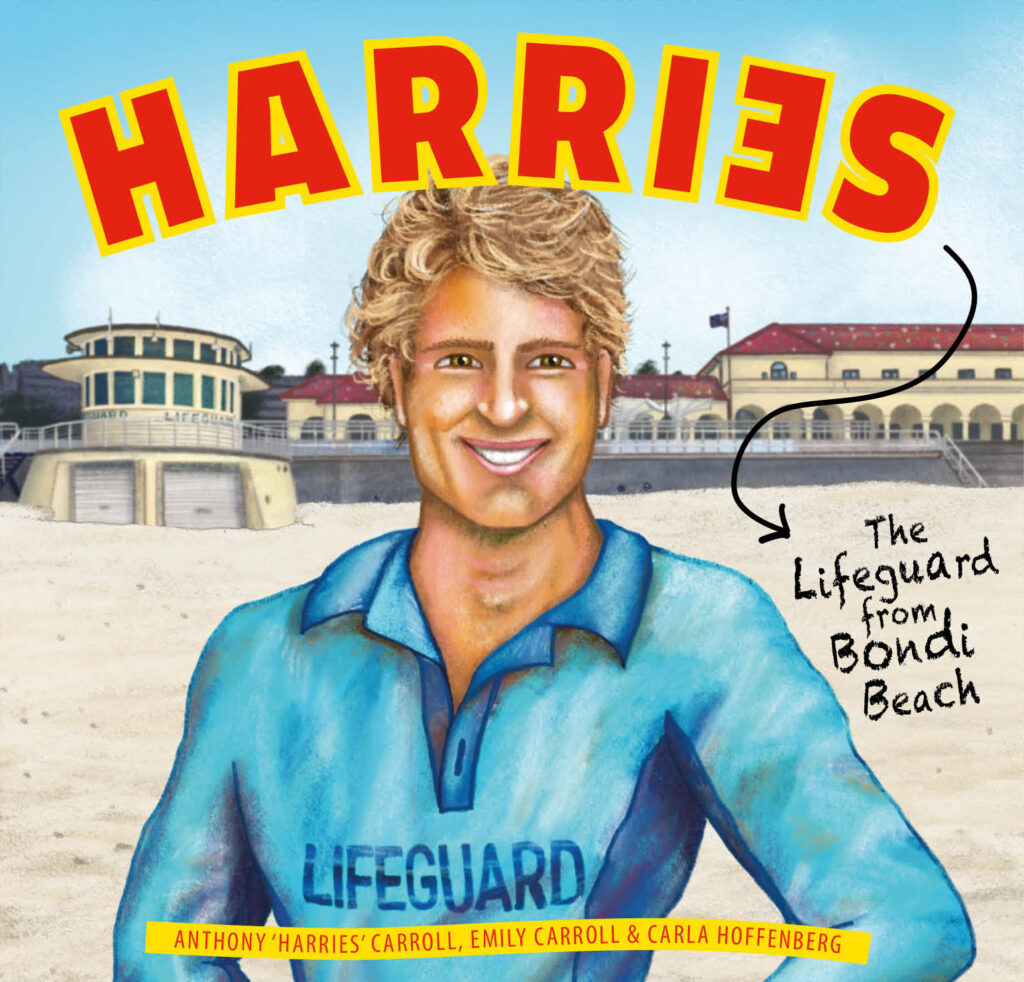
Harries by Anthony ‘Harries’ Carroll, Emily Carroll, and Carla Hoffenberg, published by EK Books
There’s a particular thrill that comes the moment you type “The End.” For a heartbeat, it feels as though your manuscript might be only days away from sitting on a bookstore shelf. But as every professional author quickly learns, finishing a draft and being submission-ready are two very different milestones. In today’s highly competitive picture book market, publishers receive hundreds—sometimes thousands—of manuscripts each year, and only a tiny fraction meet the exacting standards required to move forward.
Before you send your story into the world, it’s essential to place it under the same lens of scrutiny we use in-house. Below is a practical, detailed, industry-level checklist—an ultimate guide for authors who want to make sure their picture book is genuinely ready for a publisher’s consideration. This approach mirrors the professional self-editing steps we guide authors through and aligns with the expectations outlined in our internal editing standards.
Word Count: 350–500 Words (Max)
Picture books today lean short—very short. Most successful manuscripts fall between 350–500 words, and many land closer to 400. Any longer and you risk over-explaining, crowding the illustrations, or losing young readers before you reach the emotional payoff. A tight manuscript shows discipline and confidence. If you cannot justify every single word, trim until you can.
Mastering the 32-Page Format
The structural discipline of picture books is non-negotiable. A standard commercial picture book has 32 pages, including front and back matter. That means your story usually fits between pages 4 and 31, after allowing for half-title, title, imprint, and end matter. Plotting your manuscript as 16 double-page spreads is a professional expectation—not a nicety.
Check that your pagination uses page turns strategically: the surprise, joke, reveal, or dramatic shift should land on the turn, not before it. As highlighted in our self-editing materials, even-numbered pages always sit on the left and odd pages on the right—use these like stage directions to heighten suspense and rhythm.
Rhyme: Perfect or Not at All
If your manuscript rhymes, you must hold it to professional standards:
- Read it aloud. Every stumble, forced stress, or unnatural phrasing signals a line that must be reworked.
- Never choose a word for its rhyme if it compromises meaning. Children—and editors—detect this instantly.
- If you find yourself “performing” the meter to force it to work, it’s not working. Rhyme should feel effortless to the listener.
- If you cannot make rhyme flawless, rewrite in prose. Poor rhyme sinks more submissions than any other issue in picture book slush piles.
Publishers love rhyme—but only when it’s impeccable.
Illustrator Notes: Minimal but Meaningful
Illustrator notes should appear only where clarity is essential—never as stage directions. Ask yourself:
- Does the illustrator need this information to avoid misinterpretation?
- Or am I constraining the illustrator’s creativity?
Notes should clarify, not control. For example, if your text says a child is “building a rocket,” do you literally mean a real rocket… or a cardboard box adventure? That distinction matters. But character appearance, camera angles, colour choices—leave them alone. Overly prescriptive illustration notes mark a manuscript as amateur.
A Professional Cover Letter
Your cover letter does not need to be long, but it must be focused, professional, and publisher-aware. Include:
- A one-sentence pitch capturing the story’s hook.
- The word count and target age.
- Why you wrote the story—your personal connection or professional insight.
- Comparable titles (but choose wisely; don’t “over-claim”).
- Any relevant credentials (teaching, psychology, parenting workshops, etc.).
This is not the place for self-praise, plot summaries disguised as marketing copy, or declarations that your book will be “the next classic.”
Your Online Presence: A Quiet Advantage
These days, publishers do look at:
- Website (optional but recommended)
- Instagram, Facebook, or TikTok (simple, professional, children’s-lit-focused presence is enough)
- Any network that supports author events or school visits
You don’t need an influencer-scale following. What publishers look for is whether you have a foundation on which they can help you build visibility. A website with a short bio, contact page, and one or two blog posts is plenty.
Industry Awareness
Before submitting, research:
- Each publisher’s catalogue. Does your story genuinely fit?
- Their submission guidelines—and follow them meticulously.
- Whether your topic has oversaturated the market (e.g., bedtime, “be yourself,” starting school)—if so, your hook must feel particularly fresh.
Knowing where your book belongs is part of being submission-ready.
Test With Actual Children
No editorial tool beats live feedback. Read your manuscript to children (ideally in the target age). Watch for:
- When they lean in
- When they drift
- Whether they understand the story well enough to retell it
If children cannot recount the plot clearly, there is usually a structural or clarity issue.
Final Thoughts
Publishers like EK Books get thousands of submissions per year. Preparing your picture book for submission is an act of respect—for your story, your future illustrator, and your potential publisher. A manuscript that meets the above criteria signals that you understand not just storytelling, but the industry into which you are submitting. When your manuscript is polished, paginated, trimmed, clarified, tested, and accompanied by a professional pitch, it stands out immediately in a crowded field.
We’ll take you by the hand and help you become a published children’s author – join the Children’s Authorship Certification Course