
How Long Should a Children’s Book Be? A Clear and Practical Guide to Length, Format, Genres and Age Ranges
Many writers sit down to create a children’s book with a strong idea and a sense of purpose, but without a clear understanding of the format they are actually writing for. This is one of the quiet reasons a large portion of submissions cannot progress. The story might be heartfelt, thoughtful or funny, yet it does not fit within any recognised category that booksellers can shelve or that parents and educators reach for. Most publishers are not deciding between ten great stories and rejecting nine of them. They are often deciding between two manuscripts that are structurally sound and several dozen that are not.
The solution is not complicated once you know where the industry lines are drawn. At EK Books and Exisle Publishing, we work every day with picture books, illustrated non fiction and middle grade fiction. We want to give writers precise information that helps them match their idea to the format that readers, retailers and librarians expect. This guide is designed to remove the guesswork, save writers time, and raise the quality of every submission before it reaches an editor’s desk.
The Landscape at a Glance: Formats, Age Groups and Wordcounts
Children’s publishing is shaped by a handful of formats that have endured for decades because they work. They work for young readers who need predictable structure. They work for parents who read the same book repeatedly at bedtime. They work for teachers who use books in classrooms. And they work for the printing and distribution systems that carry these books across the world.
Writers often begin with a loose intuition rather than a clear understanding that a picture book is a very specific type of book, that a middle grade novel has defined length expectations, and that anything outside of these parameters becomes very difficult to acquire or market.
Here is a reliable grid that summarises the most common formats in children’s publishing.
Quick Reference Table
| Format / shelving | Typical age | Pages and format | Usual wordcount | Notes and EK examples |
|---|---|---|---|---|
| Board book | 0 to 3 | 12 to 24 rigid pages | 0 to 150 words | Not a focus for EK. Usually simple concepts or labels for the very young. |
| Simple 24 to 32 page picture book | 2 to 4 | Large trim, full colour | 150 to 350 words | Early concept books about colours, routines, bedtime and everyday experiences. |
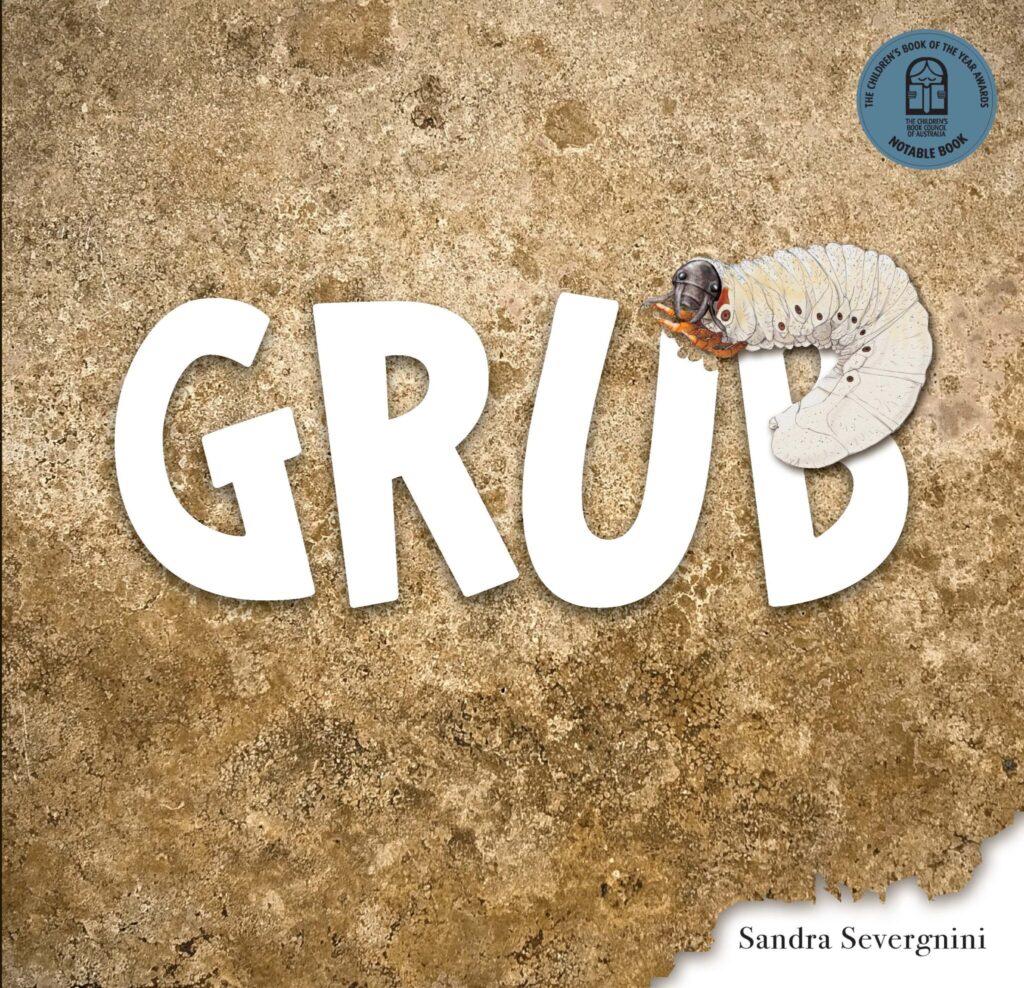
| Core 32 page trade picture book | 3 to 6 or 4 to 8 | 32 pages, full colour, often hardback, approx. 240 to 255 mm trim | 300 to 500 words, rarely above 600 | EK’s primary format. Examples include Grub, Up to Something and Courageous Lucy. |
| “Textier” picture book for older read aloud | 5 to 8 or 6 to 9 | Usually 32 pages, sometimes 40 pages | 600 to 1000 words | More complex arcs with emotional or social themes. Many EK issue driven titles sit here. |
| Narrative non fiction picture book | 6 to 10 | 32 to 64 pages, larger trim, highly illustrated | 1500 to 3000 words across story, sidebars and backmatter | Example: Tree Beings, which includes story, factual panels and extended backmatter. |
| Early illustrated fiction | 6 to 9 | 80 to 120 pages, black and white interiors | 5000 to 12,000 words | A bridging format. Not a current priority for Exisle or EK. |
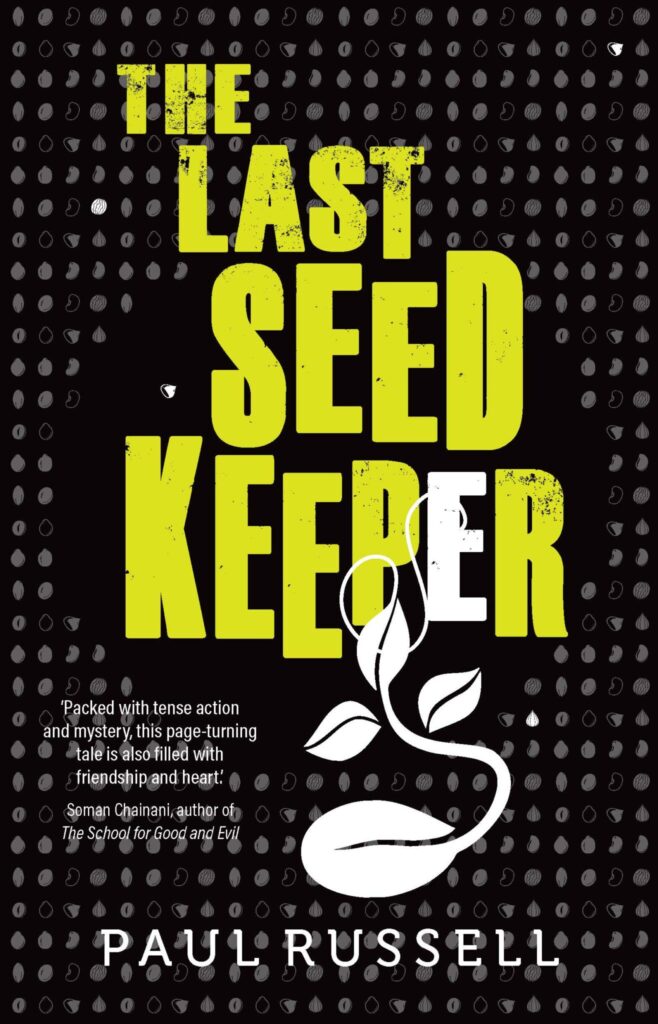
| Middle grade novel | 9 to 13 | 200 to 320 pages | 35,000 to 65,000 words | The Last Seed Keeper trilogy sits in this space with environmental themes and strong emotional stakes. |
This table looks simple on the surface, but each format has its own history, market logic and structural expectations. Understanding why they exist helps writers choose the right one for their story.
Why Picture Books Are Nearly Always 32 Pages
The 32 page picture book did not appear by accident. It aligns with printing conventions, standard trim sizes, production budgets, consumer expectations and classroom needs. A 32 page structure offers enough space for an emotional arc, a beginning, a problem, a turning point and a resolution. It also allows room for page turns to create anticipation, humour, surprise or shifts in perspective.
When writers submit 1,000 word picture books, they often do not realise that the additional text makes it physically impossible for an illustrator to work. There is simply no room for artwork to breathe. The illustrator becomes a decorator rather than a narrative partner. In contemporary trade publishing, especially at EK Books, the illustrator must tell as much of the story as the text does. That requires space and careful pacing.
This is why the sweet spot is usually 300 to 500 words. It allows a story to sit naturally across 32 spreads with visual variety, rhythm and emotional clarity.
Understanding the Core EK Books Format
Most books on our list that are labelled for ages 4 to 8 follow the same blueprint.
- 32 full colour pages
- Hardback format for Australia and New Zealand, possibly paperback in the US and UK
- Trim size around 245 by 255 mm [Although this varies]
- One illustration per page or spread
- Wordcount between 300 and 500
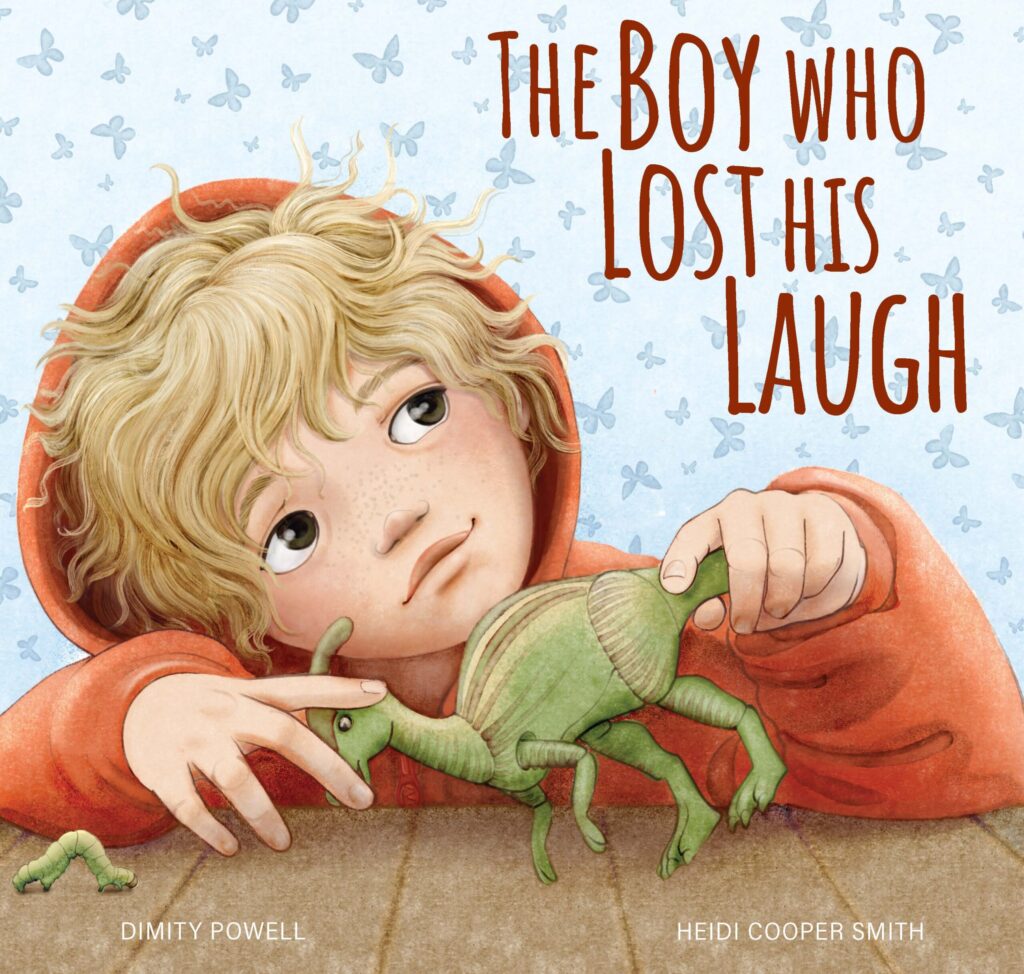
Grub, Up to Something and The Boy Who Lost His Laugh (coming 2026!) are classic examples. They embody all the qualities that make picture books effective for shared reading. They are simple enough for younger children, yet layered enough that older children can relate. They also leave space for illustrators to introduce humour, metaphor, symbolism and subtle emotional cues that cannot be expressed through text alone.
Writers often imagine picture books as vessels for many ideas at once, but the most successful ones contain one strong idea explored with clarity and heart. Simplicity is not the enemy of depth. It is what makes depth accessible to a child.
What Happens When Picture Books Become “Textier”
Some EK titles stretch toward the upper end of the picture book range, especially those that speak to complex social or emotional issues. Topics like grief, anxiety, resilience or environmental change sometimes require a little more context and a slightly longer text block on certain spreads.
Even then, the manuscripts tend to remain within 600 to 1000 words and stay within the 32 page structure. Writers who move far beyond this range usually drift into a format that booksellers struggle to classify. A 1,500 word fictional story is too long to be sold as a picture book and too short and too heavily illustrated to be sold as junior fiction. This creates friction for retailers and reduces discoverability for the reader.
A manuscript can feel powerful and well intentioned, yet still be unshelvable.
Narrative Non Fiction: A Different Structural Logic
Books like Tree Beings operate on a dual layer. They contain a narrative spine that provides emotional direction and a reading experience similar to a picture book. Alongside the main story is a second layer of factual information delivered through sidebars, diagrams, timelines and backmatter. This requires a larger wordcount, often between 1500 and 3000 words. The structure must support young readers who enjoy narrative immersion while also guiding older readers or teachers who may use the book to introduce scientific or historical ideas.
Writers attempting this format need to be especially clear about how factual content is organised and how it supports rather than overwhelms the story layer.
Where Early Illustrated Fiction Sits in the Market
This format is the classic stepping stone between picture books and middle grade fiction. It often contains short chapters, a substantial number of spot illustrations, and simple vocabulary. The wordcount usually falls between 5,000 and 12,000 words. It is a popular format with large trade houses, although not a current priority for Exisle or EK.
Writers drawn to this space need to understand that the market already contains numerous well established series that rely on distinctive recurring characters and an ongoing sense of mischief or adventure. Standalone projects can succeed, but require clear positioning.
Middle Grade: What It Is and What It Is Not
Middle grade fiction covers ages 9 to 13 and sits between junior fiction and young adult. This is a group of readers who are intellectually capable, emotionally perceptive and ready for stories with depth and consequence, but not yet reading for the social intensity or romantic focus that defines YA.
The Last Seed Keeper trilogy is a strong example of upper middle grade. Book 1 is 232 pages and sits comfortably within the expectations of the category. The themes are substantial and involve environmental collapse, moral choice and companionship under pressure, yet the narrative voice remains accessible and age appropriate.
A true middle grade manuscript normally sits between 35,000 and 65,000 words. Anything shorter lacks the necessary layers and pacing. Anything significantly longer begins to drift into YA territory. Writers cannot compress a middle grade novel into 12,000 words simply because they are worried that children have short attention spans. Children in this age group read widely and are capable of significant narrative investment.
How EK Evaluates Submissions: Fit to Format Comes First
Before an editor considers tone, theme, originality or market potential, they look for one essential quality: structural fit. If a picture book cannot be divided cleanly into 24 or 32 spreads, it is unlikely to progress. If the wordcount squeezes the illustrator out of the partnership, the project cannot function. If a novel is written at 15,000 words but pitched as middle grade, the first decision is already made.
Editors also check whether the project aligns with existing selling patterns. For picture books, that means clear suitability for ages 3 to 6 or 4 to 8. For longer works, it means recognising whether the manuscript sits firmly within middle grade rather than floating uncertainly between categories.
Writers sometimes worry that publishers are trying to enforce rigid creative rules. The reality is simpler. Every format exists to serve the reader and to allow the book to survive in a real retail environment. A manuscript that fits the correct format is far more likely to reach that reader.
Giving Writers a Clear Foundation
If you pass along this guide to your authors, you will eliminate a large portion of unnecessary confusion. Writers do not need to know every detail of production, retail shelving or trim size, but they do need to know the basic boundaries of the field they are entering.
Picture books should sit under 400 to 500 words and should be structured across 24 or 32 pages. Narrative non fiction should integrate story and fact with care. Middle grade fiction should aim for the length and thematic weight of the Last Seed Keeper trilogy. Once these expectations are understood, writers can shape their ideas with far more confidence and purpose.